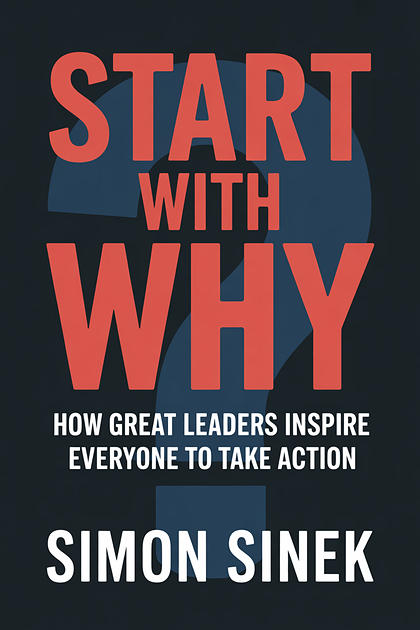
Introduction: The True Cost of Leadership
Management alone cannot save a failing organization. While many programs focus on short-term gains, true success depends on human connection. In the United States Marines, senior officers eat only after every junior member has been served. This simple act defines the true cost of leadership, which is the willingness to put the needs of others above your own.
When people feel valued instead of expendable, they grow and stay focused. Leadership is not about authority, but rather about creating an environment where everyone can thrive. Captain Mike Drowley once flew his heavily armed aircraft through a thick, black layer of clouds in Afghanistan to save twenty-two men pinned down below. He could not see the troops, but he heard the anxiety in their voices over the radio and felt a deep need to protect them.
Despite the extreme risk of flying into a narrow mountain valley with outdated maps and limited visibility, he dove into the darkness. His decision was not based on a command or a bonus, but on the profound empathy he felt for his fellow soldiers. This act of sacrifice illustrates that empathy is the single greatest asset in any high-stakes environment. When people know that someone is looking out for them from above, they gain the confidence to perform their own duties more effectively.
This bond creates a culture where protection comes from every level, rather than just the top. It is a biological reality that when we feel safe among our own group, we are capable of remarkable courage and cooperation. True leadership requires looking past what is merely required to what is morally right, choosing to protect the people even when the rulebook does not demand it.
Full summary available in the Readsome app